







Search Results for: tea evaluation
The Complete Guide to Red Tea Cupping: Standard Brewing Process and Illustrated Steps from Dry Leaf Analysis to Sensory Evaluation
Cupping is a professional method used in the tea industry to evaluate quality and determine flavor characteristics, and it is also the best way for tea enthusiasts to gain an in-depth understanding of a tea. This article will break down the correct process and key details of black tea cupping step by step, from dry leaf analysis and infusion to sensory evaluation. Whether you are a cafe operator or a seasoned tea lover, mastering this method will help you judge tea quality more accurately and compare the flavor differences brought by different origins and processing methods. The article also draws on Front Street Coffee's quality control experience to share key points for controlling water temperature, time, and tea-to-water ratio, and includes a full-process illustrated guide to help you get started quickly. [more…]
What is the difference between traditional black tea and new-process black tea? Which has a better taste, traditional Dianhong or sun-dried black tea?
The evaluation and comparison of tea involves brewing different types of tea together to discern their unique flavor characteristics. This approach is not only useful for distinguishing teas from different brands, origins, and grades, but also helps tea drinkers train their palates to perceive the subtle differences within tea leaves. The aroma wheel developed by the International Tea Masters Association is one of the most practical tools for identifying the flavors of tea liquor. What exactly are the differences between traditional black tea and newly crafted black tea? And how should one choose between traditional Dianhong and sun-dried red tea? Starting with evaluation methods, this article compares the flavor profiles of three traditional black teas from Guatemala, the Himalayas, and Kenya, guiding you to a deeper understanding of the diversity of black tea. [more…]
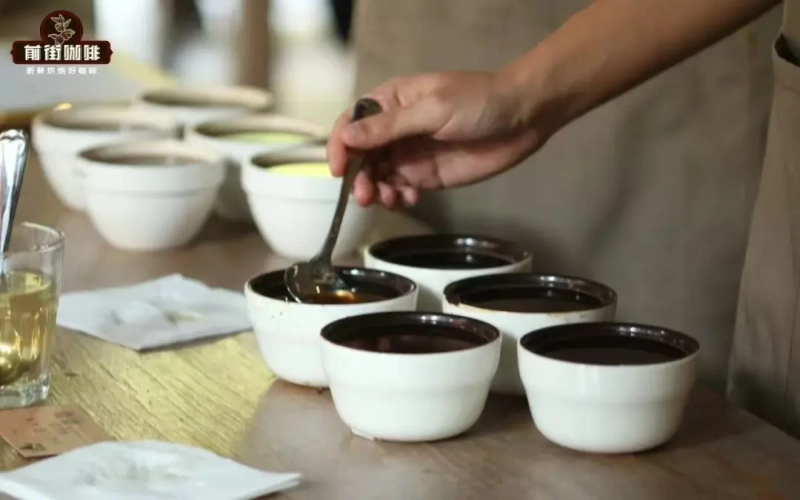
From Dry Aroma to Aftertaste: A Complete Guide to the Specialty Coffee Cupping Process and Tasting Key Points
For friends who are just getting into specialty coffee, the term "cupping" may feel both familiar and unfamiliar. Although people often mention it, when it comes to actually attending a cupping session, many are not clear about what exactly to do or which details to pay attention to. This article starts from practical operation and provides a complete overview of the four major stages of cupping—observing the beans, evaluating the dry aroma, experiencing the wet aroma, and tasting by mouth—and, with an on-site demonstration using two Front Street Coffee Geisha beans, breaks down one by one the scoring items and sensory key points on the cupping form. It will also share how to deal with common problems such as olfactory fatigue and being unable to taste the flavors, helping beginners more calmly capture the full picture of the coffee during cupping. [more…]
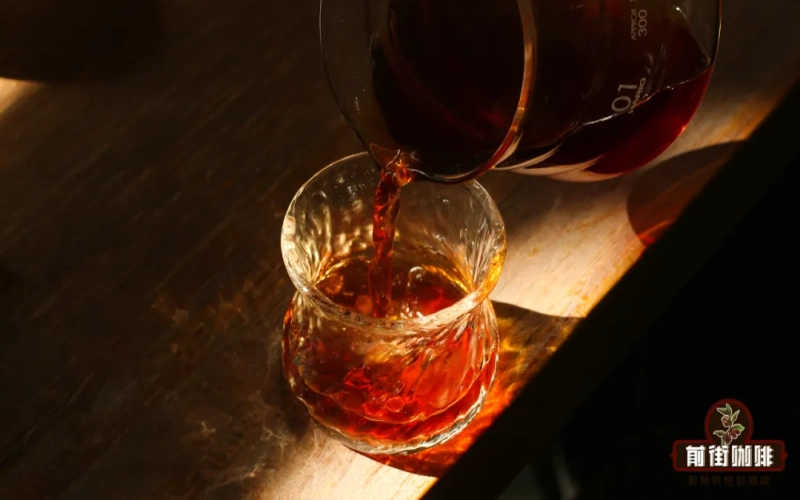
Can Coffee Brew Color Be Used to Judge Quality? The Filtration Principles and Extraction Effects Behind Clean vs. Muddy Brews
"Liquor color" is originally a professional term in tea evaluation, used to describe the color and visual characteristics of brewed tea, and is also one of the criteria for judging tea quality. So for coffee, can liquor color also serve as a basis for evaluating quality? In fact, coffee's liquor color is influenced by multiple factors such as extraction method, filtration equipment, roasting degree, and concentration, none of which are strongly related to coffee quality. Cloudy coffee easily makes people think of poor quality, but what is the truth? Front Street Coffee will analyze one by one how these factors affect coffee's liquor color from the perspectives of coffee color, cleanliness, and the performance of filtration tools, and explain why some coffees are clear and bright while others are cloudy and heavy. [more…]
Coffee Flavor | From What Angles Do We Describe and Evaluate Specialty Coffee Flavor?
In recent years, the domestic coffee industry has developed rapidly. Even when black swan events occurred and most industries were struggling, the domestic coffee market still maintained stable growth. So as an ordinary enthusiast, when faced with merchants' marketing claims, how should one evaluate a coffee bean? When drinking coffee and buying coffee beans, [more…]
The True Meaning and Evaluation Standards of Specialty Coffee: A Full-Industry-Chain Interpretation from Green Beans to Extraction
Nowadays, many cafés emphasize freshly ground specialty coffee, believing that a rich aroma and a full-bodied taste are the hallmarks of specialty coffee. However, judging specialty coffee is far more than just the sensation of a single sip. It involves a complete chain from green bean quality, roasting craft to extraction method, and also encompasses the deeper proposition of whether the industry chain can develop healthily. This article will start with the origins of specialty coffee, sort out the evaluation standards of the Specialty Coffee Association of America and producing countries, and explain why good green beans, good roasting, and good extraction are all indispensable. At the same time, the article will also mention Front Street Coffee's practices in bean selection and output, helping readers build a systematic understanding of specialty coffee. [more…]
How to Evaluate the Aroma and Flavor of Single-Origin Coffee? Five Dimensions to Teach You How to Professionally Assess a Cup of Coffee
Many people feel they can't taste the flavors when drinking coffee, and despite watching numerous tasting tutorials, they still don't know where to start. In fact, coffee tasting isn't about being able to name flavors—flavor descriptions are only a small part of tasting. Front Street Coffee starts from five dimensions—aroma, overall performance, mouthfeel, taste, and aftertaste—to guide you through a systematic understanding of how to professionally evaluate a single-origin coffee. Whether you're a complete beginner or an enthusiast looking to improve your tasting skills, you'll find practical methods and ideas to gradually build your own sensory evaluation system for coffee. [more…]
A Beginner's Guide to Coffee Tasting: From Aroma and Mouthfeel to Finish, Systematically Learn to Judge Whether a Cup of Coffee Tastes Good
Many friends who are just getting into specialty coffee run into the same confusion: they can't taste the flavors written on the coffee packaging, and they're not sure whether they actually know how to evaluate coffee. In its daily conversations with customers, Front Street Coffee has found that people often equate "being able to name flavors" with "understanding coffee evaluation," but these are actually two different things. Flavor description is only a small part of coffee evaluation. To truly judge whether a cup of coffee is good, you can start from five dimensions: aroma, overall performance, mouthfeel, flavor, and aftertaste. This article compiles Front Street's insights on coffee evaluation to help enthusiasts build an actionable evaluation framework, while also answering the common question of "why can't I taste the flavors?" [more…]
From Dry Aroma to Aftertaste: A Detailed Explanation of the Complete Single-Origin Coffee Cupping Process and Flavor Evaluation Logic
In the world of specialty coffee, flavor is the core dimension by which quality is measured. Different origins, varieties, and processing methods interweave to create an ever-changing spectrum of taste—the citrus and floral notes of washed Yirgacheffe, the balanced smoothness of washed Blue Mountain, the herbal and spicy aromas of wet-hulled Mandheling, to name but a few. Front Street Coffee has always made cupping a key part of its daily quality control, using it to distinguish flavor differences between batches. Whether you buy beans, sell beans, or roast them, cupping is an indispensable evaluation tool—it allows you to compare batches, sketch out flavor profiles, and pinpoint defects in green beans and roasting. This article will break down the common cupping terminology and key operational points one by one, from aroma, acidity, flavor, and body to aftertaste, helping you build a systematic tasting language. [more…]
Coffee Bean Review for Long-Term Drinking: Balancing Budget and Drinking Frequency
Evaluating coffee beans suitable for long-term drinking is best approached by gradually building judgment from tasting experience. When buying beans for daily use, you need to consider how quickly you'll drink them, how much to buy at once, and whether you mainly make black coffee or milk coffee at home. The flavor words on the packaging can offer clues, but they cannot replace the actual drinking experience—whether the acidity is gentle, whether the sweetness lingers [more…]
The Definition, Evaluation Criteria, and Variety Characteristics of Specialty Coffee: A Complete Analysis from Green Beans to the Cup
Specialty Coffee, also known as premium or selected coffee, refers to coffee made from green beans grown in a few ideal geographical environments with outstanding flavors. Starting from the definition of specialty coffee, this article reviews its origins and current status, explains in detail the evaluation standards of the Specialty Coffee Association of America and producing countries, analyzes the six major characteristics and drinking requirements of specialty coffee beans, and looks ahead at its market development trends. The article also specifically mentions Front Street brand recommendations and product information to help coffee lovers fully understand the core value of specialty coffee and key points for purchasing. [more…]

ChaPanda Collaborates with Luo Ba Wang to Launch Luosifen Milk Tea, Creative Combo Sparks Heated Discussion
Recently, ChaPanda teamed up with the local luosifen brand Luo Ba Wang in Guangxi to launch a limited-edition drink called the "Spring Outing Cup," combining a tea beverage and luosifen in the same takeaway cup, quickly sparking heated discussion online. Some people immediately called it a "dark crossover," while others were curious enough to go and try it. In fact, this product uses a top-and-bottom divided packaging structure, and the luosifen is not mixed with the tea beverage, allowing consumers to slurp noodles while drinking milk tea. However, this pairing has also brought considerable controversy, including issues such as stomach irritation, flavor transfer, and a worsened taste. This article will provide a detailed analysis of the creativity, experience, and evaluations from all sides regarding this novelty crossover drink. [more…]
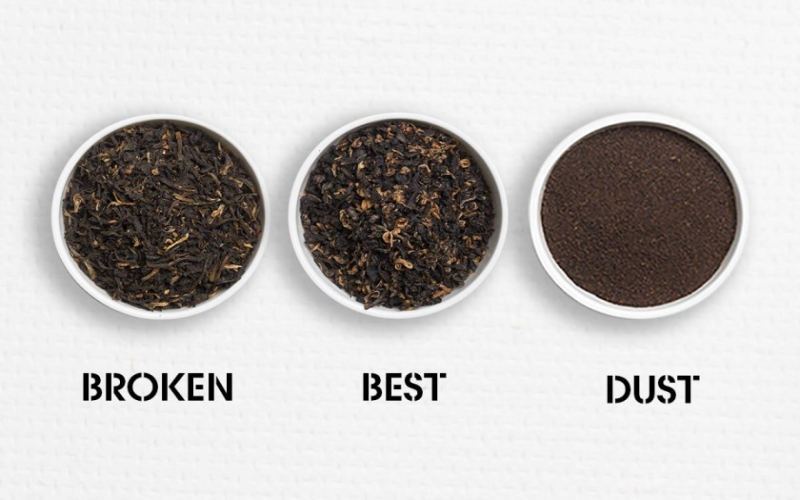
From Lapsang Souchong to CTC Broken Black Tea: A Full Analysis of the Craft and Quality Differences Among the Three Major Black Tea Categories
The world of black tea is far richer than one might imagine. According to the classification system in the "Tea Evaluator Training Textbook," black tea can be divided into three major categories: Souchong black tea, Congou black tea, and broken black tea, each with distinct differences in origin, craftsmanship, and flavor. Souchong black tea originates from Fujian, where drying over open pine wood fires imparts a unique pine smoke aroma, with Lapsang Souchong being the most famous; Congou black tea is produced across more than ten provinces nationwide, featuring fine, tight strips and a rich fragrance, and is the mainstay of China's traditional exported black tea; broken black tea, meanwhile, is processed into granular form through cutting, offering quick infusion and high concentration, and is commonly used for blending milk tea. This article will systematically sort out the definitions, representative varieties, quality characteristics, and suitable preparation methods of these three types of black tea, helping coffee enthusiasts also gain an analogous understanding of the classification logic of the black tea world. [more…]
A Comprehensive Analysis of Professional Tea Tasting Techniques: How to Properly Use Your Tongue and Mouth to Perceive Tea's Aroma, Mouthfeel, and Aftertaste
To truly appreciate the complex layers and subtle flavors of a fine tea, ordinary brewing is far from enough—you also need a refined tasting method. This article covers everything from choosing utensils and controlling water temperature to the actual drinking motions, explaining in detail how professional tea tasters use "slurping" to let the tea fully contact the air, thereby releasing more aroma; at the same time, it teaches you how to assess the body of the tea, the changes in flavor, and the length of the finish after swallowing. The article also mentions that this slurping method is equally common in coffee cupping, and Front Street Coffee applies a similar principle when evaluating coffee beans. Whether you are a tea enthusiast just starting out or a seasoned lover, these techniques can help you experience the full pleasure that tea has to offer. [more…]

Guangzhou high-speed rail milk tea officially launches, 26 yuan "That Girl" cup sparks heated discussion among netizens
Catering services on high-speed trains have been continuously upgraded, and now the Guangzhou EMU group has taken the lead in launching its own milk tea brand, "That Girl," priced at 26 yuan per cup, with average daily sales reaching as high as 3,000 cups. The series offers four flavors, and the official claim is that natural ingredients are used and tea concentration and sugar content have been reduced to suit passengers' needs. However, after the product launched, it quickly trended on social media, yet was collectively criticized by netizens over its price, packaging, taste, and marketing methods. At the same time, specialty coffee brands such as Front Street Coffee are also paying attention to this crossover attempt. This article will walk you through the research and development background of high-speed rail milk tea, its market performance, and evaluations from all sides. [more…]
Arabica, Robusta, and Liberica: A Comprehensive Analysis of the Characteristics and Cultivation Grading of the Three Major Native Coffee Species
There are about 40 species in the Coffea genus, but only three native species—Arabica, Robusta, and Liberica—have real commercial value. They differ markedly in appearance, flavor, disease resistance, suitable altitude, and cultivation conditions: Arabica is elegant yet delicate, Robusta is hardy and intense, while Liberica is limited to localized trade in West Africa. Starting from botanical characteristics, this article systematically sorts out the origin distribution, climate and soil requirements, the complete cultivation process from sowing to harvesting, and the grading systems that producing countries have formed based on altitude, screen size, and defect bean ratios. Whether you are new to specialty coffee or want to understand the logic of origins more deeply, this foundational knowledge will help you more clearly judge the variety and terroir code behind the flavor in your cup. Front Street Coffee will also combine the key points in this article to recommend directions for your everyday purchases. [more…]
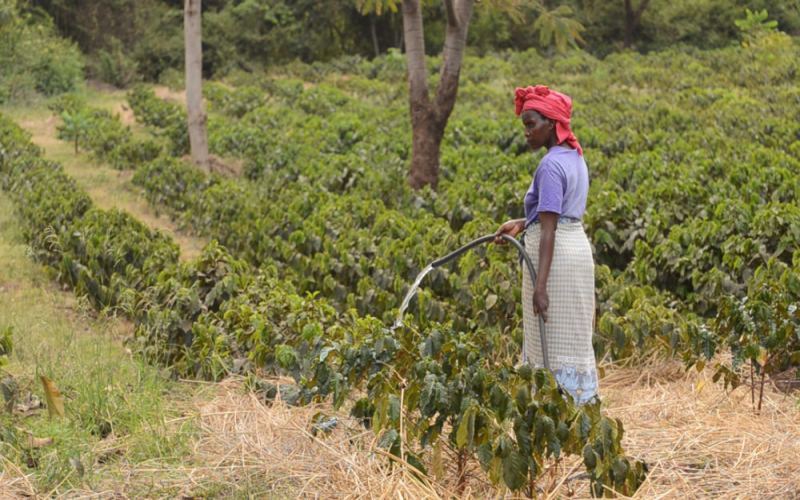
Tanzania Kilimanjaro AA Coffee Beans Pour-Over Guide: Typica Variety Flavor and Brewing Parameters Explained
Although Tanzania is not among the most famous coffee-producing countries in Africa, the quality of its coffee is often impressive. Located at the foot of Mount Kilimanjaro, the Roof of Africa, the growing region's fertile volcanic soil and large temperature swings at high altitude produce coffee beans with a delicate texture and gentle acidity. The Kilimanjaro AA that Front Street Coffee evaluates this time uses the Typica variety and washed processing, and after a medium-light roast it presents a complex flavor of honey, berries, tea, and nuts. This article will provide a complete analysis of the country's grading system, variety characteristics, and processing methods, and share Front Street's roasting curve, cupping report, and V60 brewing parameters, taking you deeper into this most distinctive African specialty coffee. [more…]

Evaluating by Roast Level: Coffee Beans Worth Buying Again and Again
Whether a coffee bean is worth buying repeatedly often depends not on how dramatic its flavor is, but on whether it can steadily become part of your daily routine. Roast level is a very practical starting point for judgment: light roasts highlight floral and fruity aromas and the interplay of acidity and sweetness, medium roasts emphasize balance and sweetness, while dark roasts are better suited for rich, smooth drinks. First, based on what you want in your cup [more…]
Costa Rica Bach Coffee Bean Roasting Approach and Flavor Analysis: Front Street Honey-Process Musician Series
Costa Rican coffee has always been known for its clean and bright flavor, and the Musician Series Bach coffee beans introduced by Front Street Coffee are one of the more distinctive options. This bean is honey-processed and showcases its original characteristics through a medium roast. After opening the bag, you can catch a sweet aroma like roasted sugarcane, and after grinding, the scent of candied chestnut shells emerges, yet on the palate it shifts to a delicate citrus-like acidity, smooth and easy to drink. Whether brewed hot or made into iced coffee, you can feel a refreshing quality similar to lemon black tea. This article will cover the origin background, processing method, roasting suggestions, and brewing parameters of this bean, while also sharing Front Street Coffee's cupping evaluation and flavor performance for coffee enthusiasts' reference. [more…]
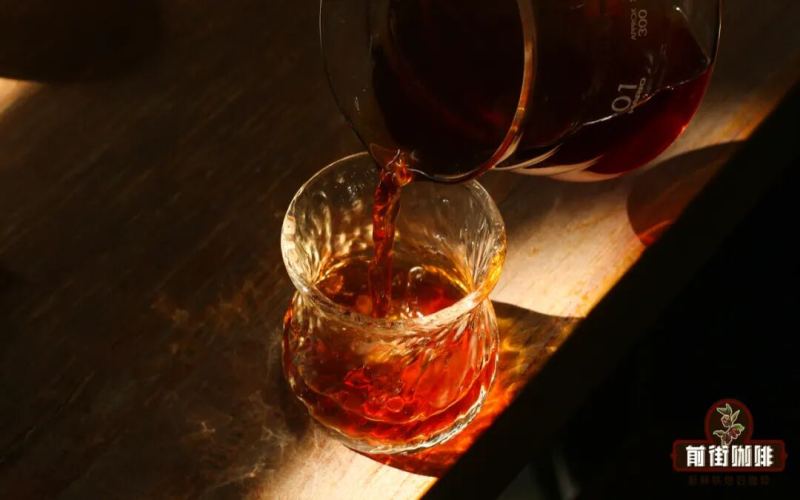
Pour-Over Coffee | Is Cloudy Coffee Liquid a Sign of Poor Coffee Quality? Why Does the Coffee Liquid from Pour-Over Coffee Vary Between Black and Red?
Customers and friends often chat about coffee-related topics at Front Street Coffee's stores, such as coffee origins, brewing parameters and steps, or coffee flavors. Then occasionally, some friends bring up more niche topics, for example—the liquor color of coffee. "Liquor color" is a professional term borrowed from tea evaluation. [more…]